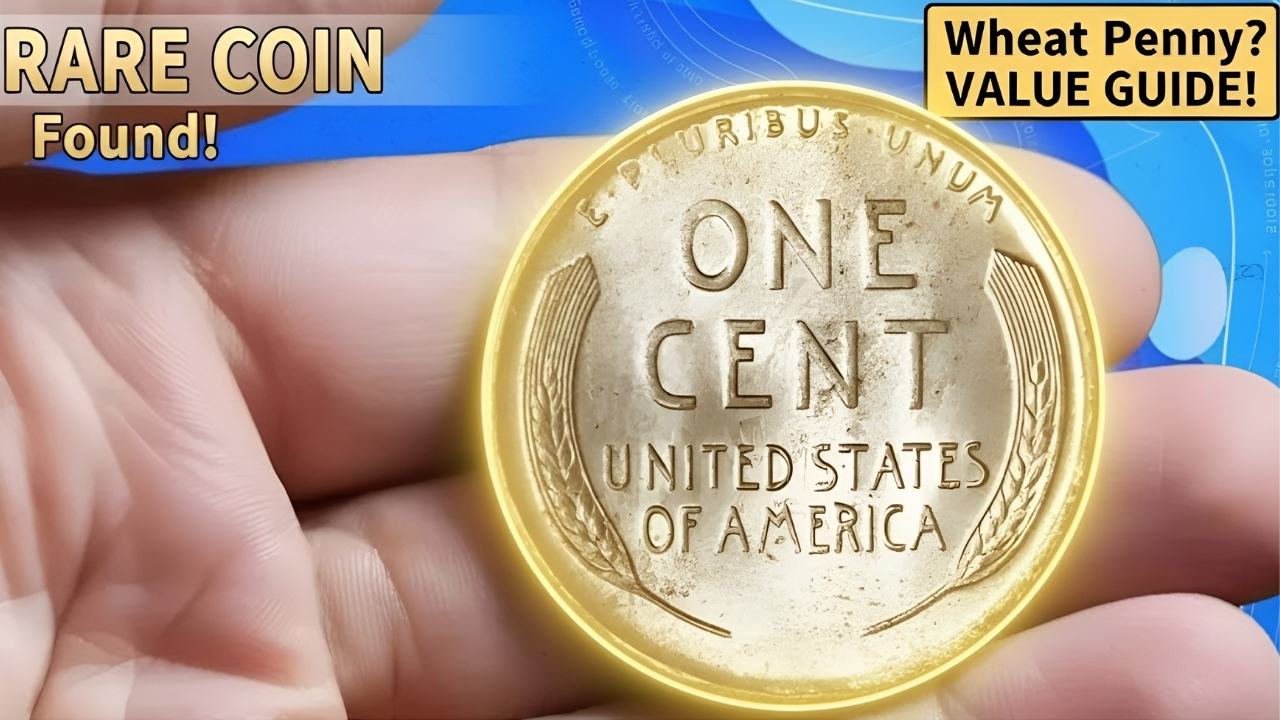
Wheat pennies remain some of the most collected and fascinating coins in American numismatics. Minted from 1909 through 1958, Lincoln Wheat cents capture the evolution of early 20th-century coinage and include some of the most legendary key dates and mint errors ever produced. This complete value guide highlights the most valuable Wheat pennies and explains what makes them highly desirable for today’s collectors.
Whether you are sorting through inherited coins or building a date-and-mintmark set, understanding Wheat penny values can help you identify pieces with genuine collector significance.
Why Wheat Pennies Hold Collector Value
Not all Wheat pennies are rare, but certain factors dramatically affect value. Coins with limited production, historical importance, or unusual minting characteristics stand apart from common issues. Condition also plays a major role, with professionally graded examples often commanding much higher prices.
Common value drivers include:
- Low mintages or short production runs
- Major die varieties or mint errors
- Early-year issues from the start of the Lincoln cent series
- High-grade preservation with minimal wear
- Strong collector demand supported by auction history
- Limited survival rates in uncirculated condition
When several of these traits appear together, values can rise quickly.
Wheat Penny Price Chart Overview (1909–1958)
While exact prices vary by grade and market conditions, Wheat penny values generally fall into the following categories:

- Common dates in circulated condition: modest premiums over face value
- Better dates in circulated grades: steady collector demand and rising prices
- Key dates in lower grades: often worth hundreds of dollars
- Key dates in mint-state condition: thousands to tens of thousands
- Major error coins: can reach six figures at auction
This wide value range is what makes Wheat pennies so exciting to collect.
1909-S VDB Wheat Penny
The most iconic coin of the entire series, the 1909-S VDB is essential for serious collectors.
- Very small mintage from the San Francisco Mint
- Features the designer’s initials on the reverse
- Extremely limited availability in high grades
- Cornerstone coin for Lincoln cent collections
- Mint-state examples can exceed five-figure values
This coin’s fame and scarcity ensure its lasting status as the ultimate Wheat penny.
1909-S Wheat Penny (Without VDB)
Often overshadowed by the VDB version, this coin remains a major key date.
- Low mintage compared to Philadelphia issues
- Important early-year San Francisco release
- Scarce in uncirculated condition
- Strong demand for complete date sets
- Consistent price growth over time
Collectors often pursue both 1909-S varieties to complete the first-year trio.
1914-D Wheat Penny
The 1914-D is one of the most challenging regular-issue dates in the series.

- Low Denver Mint production
- Few high-grade survivors known
- Frequently counterfeited due to high value
- Strong prices even in well-worn condition
- Certified examples command major premiums
Its scarcity across all grades keeps demand consistently high.
1922 No D Wheat Penny
This unusual mint error is one of the most famous Lincoln cent varieties.
- Struck at Denver without a visible mintmark
- Caused by heavily worn dies
- Recognized by specific diagnostic details
- Rare in all conditions
- Highly prized by error and variety collectors
Authentic examples are among the most valuable non-doubled die Wheat cents.
1931-S Wheat Penny
A key Depression-era issue with lasting collector appeal.
- Low mintage from the San Francisco Mint
- Many were saved, but top grades remain scarce
- Important for date-and-mintmark sets
- Values rise sharply in mint-state condition
- Stable long-term market performance
The 1931-S bridges affordability and scarcity for many collectors.
1943 Bronze Wheat Penny
One of the most famous error coins in American numismatics.

- Struck accidentally on bronze planchets
- Only a handful of verified examples exist
- Among the most valuable U.S. cents ever sold
- Widely known beyond the coin hobby
- Six-figure auction prices are possible
This coin is often considered the ultimate modern U.S. error.
1944 Steel Wheat Penny
A rare counterpart to the 1943 bronze error.
- Struck on leftover steel planchets
- Extremely limited confirmed examples
- Distinct appearance makes it easily recognizable
- Strong wartime historical connection
- Highly sought after by advanced collectors
Its rarity places it among the elite Wheat penny errors.
1955 Doubled Die Obverse Wheat Penny
One of the most dramatic doubled die varieties ever produced.
- Bold doubling visible to the naked eye
- Popular with both new and experienced collectors
- Scarce in high-grade condition
- Regularly featured in major auctions
- Strong and consistent demand
This variety remains one of the most recognizable error coins in U.S. history.
1958 Doubled Die Wheat Penny
A late-series rarity with extreme scarcity.

- Very small number of known examples
- Strong doubling on obverse lettering
- High auction values across all grades
- Rarely offered publicly
- Considered a major discovery coin
Its rarity rivals some of the most famous early Wheat pennies.
Wheat Penny Market Trends in 2025
The Wheat penny market continues to show healthy momentum.
- Growing interest in certified and slabbed coins
- Increased attention to error and variety collecting
- Online auctions driving global demand
- Rising prices for high-grade key dates
- Steady appreciation for better-date circulated coins
- Renewed focus on classic U.S. coinage
These trends support long-term confidence in the series.
Final Thoughts
Wheat pennies offer collectors an exceptional combination of history, rarity, and investment potential. From early key dates to dramatic minting errors, these coins continue to attract strong demand and long-term value potential. Whether discovered in old collections or acquired through auctions, these rare Wheat pennies represent some of the most rewarding opportunities in classic U.S. coin collecting.